

EMDR & Trauma Therapy
You can understand what happened to you and still feel like your body hasn't gotten the memo.


Trauma isn't always one big, obvious event.
Sometimes it's the relationship you couldn't escape. The childhood where you learned to keep everyone happy. The betrayal you never fully recovered from. The experience of being rejected for who you are. The years of walking on eggshells, feeling responsible for everyone else's emotions, or learning that your needs were somehow too much.
And sometimes, you know exactly what happened—but you don't understand why it still affects you.
You may find yourself overthinking relationships, shutting down during conflict, struggling to trust, feeling intensely activated by things that seem "small," or repeating patterns you promised yourself you wouldn't repeat.
That's where trauma therapy can help.
Trauma lives in more than your memories.
When something overwhelming happens, your brain and nervous system don't always get the opportunity to fully process it.
Instead, the experience can become something your system continues to organize around.
You might intellectually know: "I'm safe now."
But your body may respond as if you're still in danger.
You might know: "This person isn't my ex."
But your nervous system reacts as though it is.
You might know: "I am allowed to have needs."
And still feel guilty every time you express one.
Trauma therapy isn't about erasing your past or forcing yourself to "get over it."
It's about helping your brain, body, and relationships catch up to the reality that you are here, now.

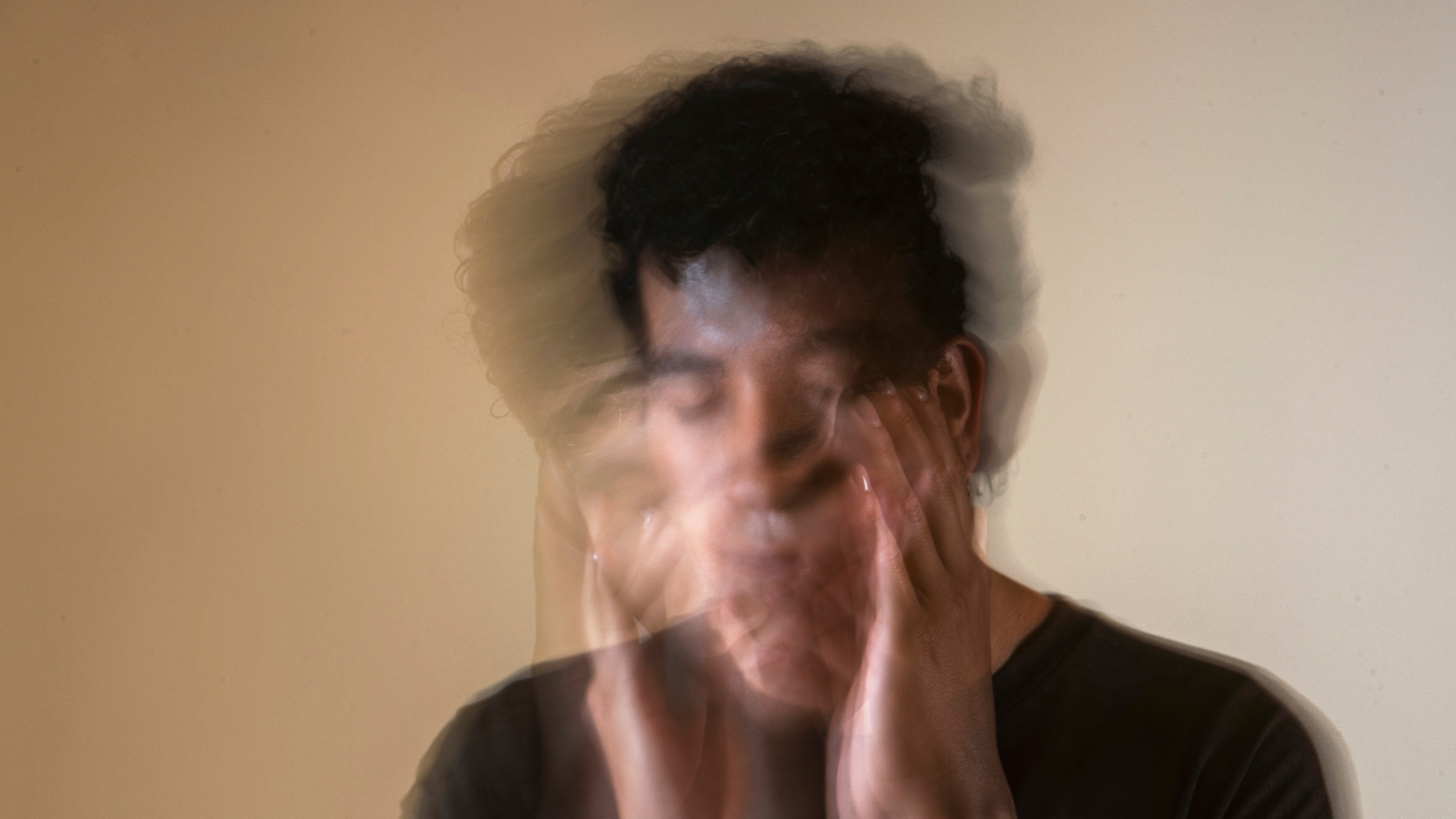
Interested in learning more about EMDR Therapy?
Drop us a line and let us know!
What is EMDR?
EMDR stands for Eye Movement Desensitization and Reprocessing.
It is a trauma-focused therapy approach that helps your brain process experiences that remain emotionally or physically "stuck."
During EMDR, we work with specific memories, beliefs, emotions, body sensations, and patterns that may still be influencing your life today.
Rather than spending session after session talking about every detail of what happened, EMDR uses a structured process to help your brain reprocess difficult experiences and develop more adaptive ways of understanding them.
You don't have to remember every detail.
And you don't have to tell the story perfectly.
We go at a pace that respects your nervous system.
What can EMDR help with?
EMDR was originally developed to treat trauma and PTSD, but trauma can show up in many different ways.
-
Anxiety or hypervigilance
Feeling easily overwhelmed or emotionally flooded
Reactions that feel bigger than the situation warrants
Emotional shutdown or numbness
Feeling disconnected from yourself
-
Relationship anxiety or difficulty trusting
Fear of abandonment or rejection
Repeating relationship patterns that you don't understand
Feeling disconnected from your relationships
Difficulty feeling safe or secure in close relationships
-
Shame or persistent feelings of "not being enough"
People-pleasing
Difficulty setting or maintaining boundaries
Feeling responsible for other people's emotions
Struggling to identify or express your own needs
-
Childhood or relational trauma
Betrayal or infidelity trauma
Experiences of emotional, psychological, or physical abuse
Difficult or emotionally complicated family dynamics
Intrusive memories or distressing thoughts
-
Grief or significant loss
Identity-related wounds
Experiences of rejection, discrimination, or marginalization
Experiences that have left you questioning who you are or where you belong
You don't need a PTSD diagnosis to have trauma worth working through.